

In music, the connections that last rarely begin with a polished introduction or a perfectly timed message. More often, they start earlier —with paying attention to someone’s music, recognising a shared sensibility, or having a low-pressure conversation that isn’t trying to go anywhere yet.
Curiosity tends to do more work than self-promotion. Listening goes further than explaining. Over time, it’s those small, human interactions that quietly turn into collaborations, opportunities, and trust.
When every interaction feels like a pitch, people switch off quickly. Conversations narrow. The space to be curious disappears.
Open-ended conversations behave differently. A shared comment about process. A question about how something was made. A demo sent without expectation. These moments don’t demand an outcome, which is often why they continue.
Trust usually builds through familiarity — recognising names, seeing music evolve, noticing who shows up and how.
Most collaborations don’t start with a clear moment you could point to later. They build quietly, often without anyone deciding that anything is happening yet.
You hear someone’s track more than once and it sticks. You start recognising their name — on a bill, in a rehearsal room, maybe online — and after a while it feels familiar. Not because you’ve spoken properly, but because their music keeps turning up and making an impression.
What comes first is rarely a plan. It’s more a sense of someone’s sound and vibe. How they talk about what they’re making. What they share, and what they leave out. Over time, that gives you a feel for whether things might lineup.
Early interactions are often brief and inconclusive. A short chat after a gig. A comment on something unfinished. A demo passed on without any follow-up.Nothing moves forward, and that’s usually fine. Those moments aren’t meant togo anywhere yet. They’re just part of getting a sense of someone without pressure.
Taste shows up before intention. You clock what someone gravitates towards, how they respond to feedback, whether they seem curious or closed off.That information builds slowly, but it’s more useful than a polished introduction or a clear pitch.
For any of this to happen, you have to be around. These small moments don’t build on their own. They come from being in the same places often enough— hearing the same people play, seeing the same names come up, crossing paths more than once. That can happen in real spaces or online, but it needs some continuity. Without that, there’s nothing for familiarity to grow out of.
Most collaborations come from being around, not from being introduced —though introductions can help when there’s already some familiarity there. What tends to matter more is crossing paths often enough for people to get used to each other being there.
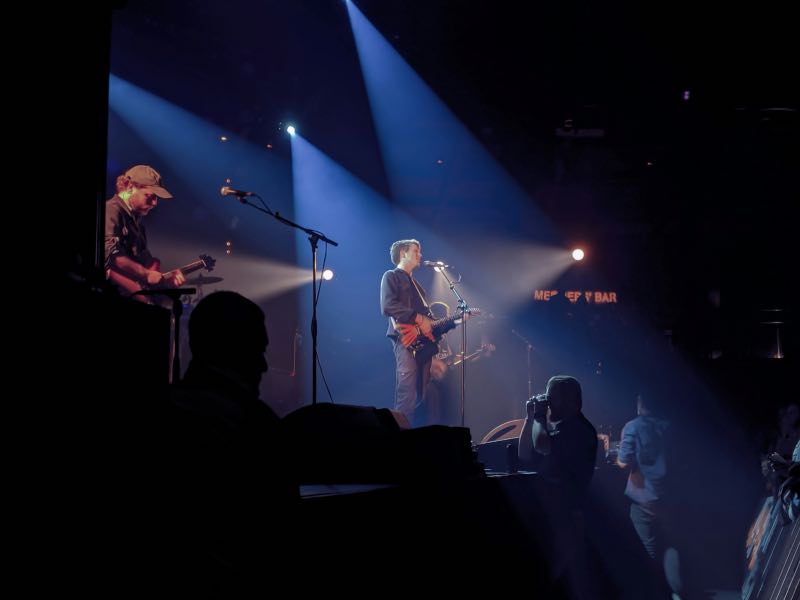
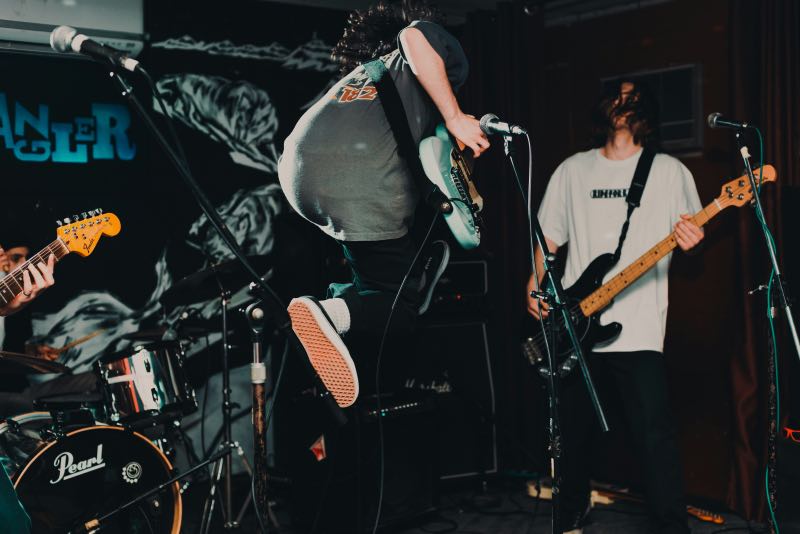
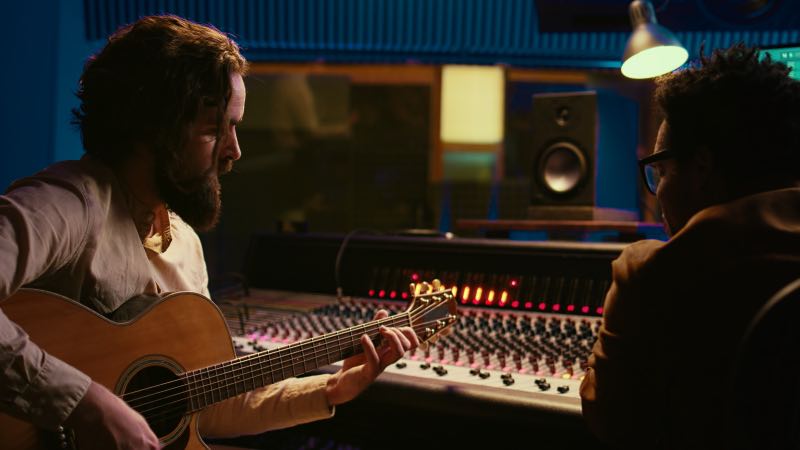
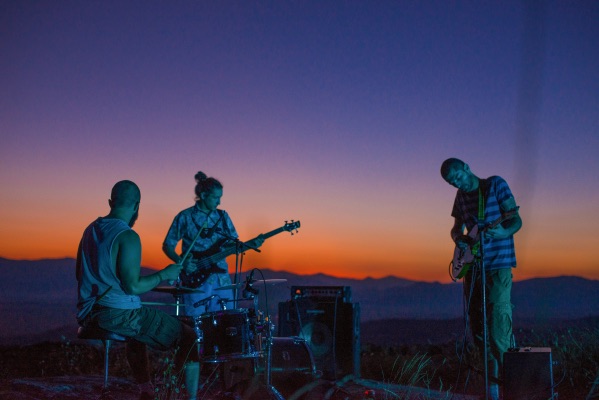
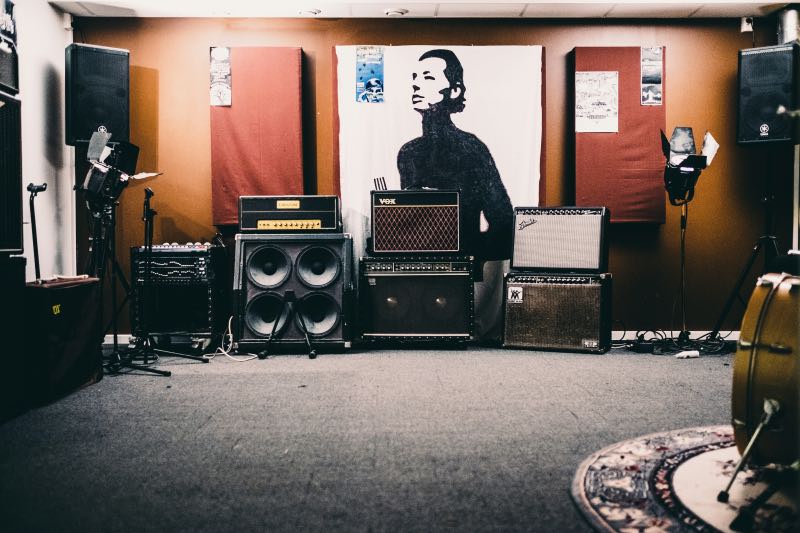
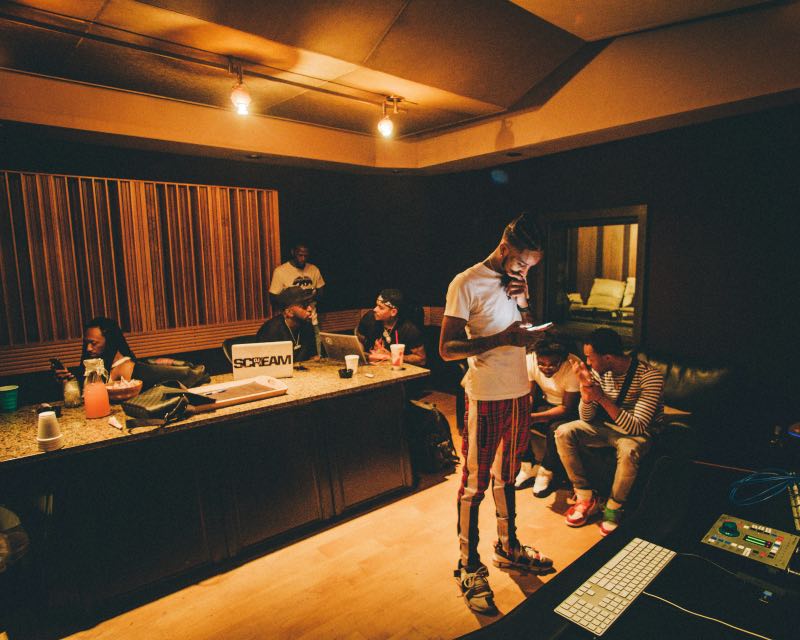
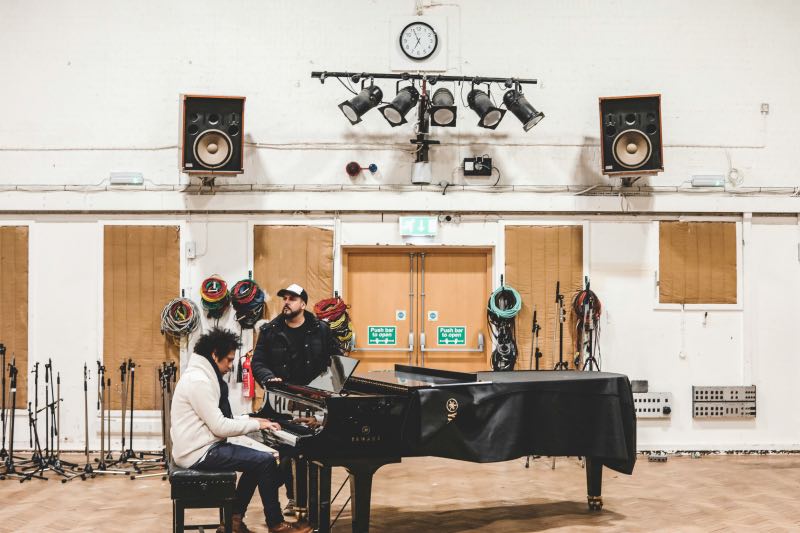
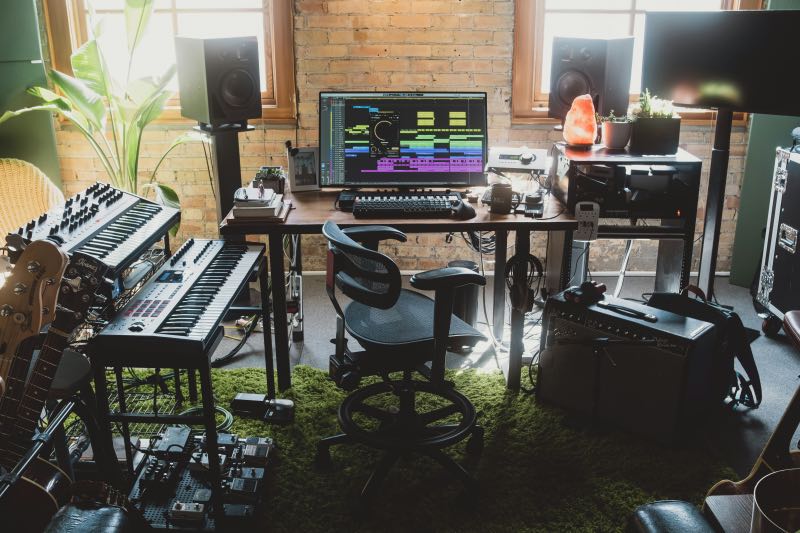
In real life, that’s usually the everyday parts of music. Small gigs. Rehearsal rooms. Studios. Standing around before things start or after they finish. You see the same faces turning up. You hear what people are playing. You notice how they talk about their music when no one’s asking them to explain it. Over time, that gives you a feel for people that you don’t get from a single conversation.
Online, it works when there’s some continuity. You follow someone and their music keeps appearing. You hear demos, half-finished ideas, things they’re trying out. You see what they’re excited about and what they ignore. It’s not about posting a lot. It’s about being there often enough for things to stick.
What matters isn’t really the place. It’s whether it lets people stay visible to each other. Spaces where music doesn’t disappear straight away.Where names come up again. Where you start recognising how someone sounds or feels, not just one track they put out once.
Some environments make this easier than others. Not because they’re setup for networking, but because they let people exist alongside each other without rushing anything. When that happens, collaboration doesn’t feel forced.It just feels like the next thing that makes sense.
A lot of networking advice treats connection like a task. Reach out, follow up, have a reason. Ask for something. It sounds tidy, but in real situations it often just makes things awkward.
When every interaction is meant to lead somewhere, people feel it. Conversations tighten up. You stop listening properly and start thinking about what you’re meant to say next. Even when no one’s being pushy, the pressure is there.
Music doesn’t really work that way. Taste takes time. Trust takes time. You don’t know if you want to work with someone straight away, and neither do they. Trying to force that decision early usually puts people off rather than bringing them closer.
That’s why a lot of musicians say they hate networking. Not because they don’t want to meet people, but because the advice doesn’t match how things actually happen for them. It turns something gradual into something performative.
Most musicians already know how real connections form. They just don’t call it networking when it’s working. It’s quieter than the advice suggests, slower than people expect, and harder to package — but it tends to last longer.
Most of this comes down to time and repetition. Seeing the same people around. Hearing their music evolve. Getting used to their sound and their vibe. None of that can be rushed, and it rarely feels productive while it’s happening.
That’s often the frustrating part. Things can feel slow or inactive, even when something is quietly forming. But familiarity needs space to build. It needs places where people can stay visible to each other without having to turn every interaction into a decision.
Groovingly is built with that in mind. Not as a tool for pitching or chasing outcomes, but as a place where musicians can stay close to what others are making, share progress, and stay in each other’s orbit over time — letting familiarity do the work it’s always done.
Most musicians already understand this instinctively. The challenge is finding spaces where that way of connecting is allowed to happen without pressure.