
You play a gig, someone asks for your details. You send a bio. A producer reaches out about a recording session — same bio. A musician gets in touch about a co-write — same bio again.
The problem isn't the writing. It's that you're sending one paragraph to three people who are each trying to answer a completely different question.
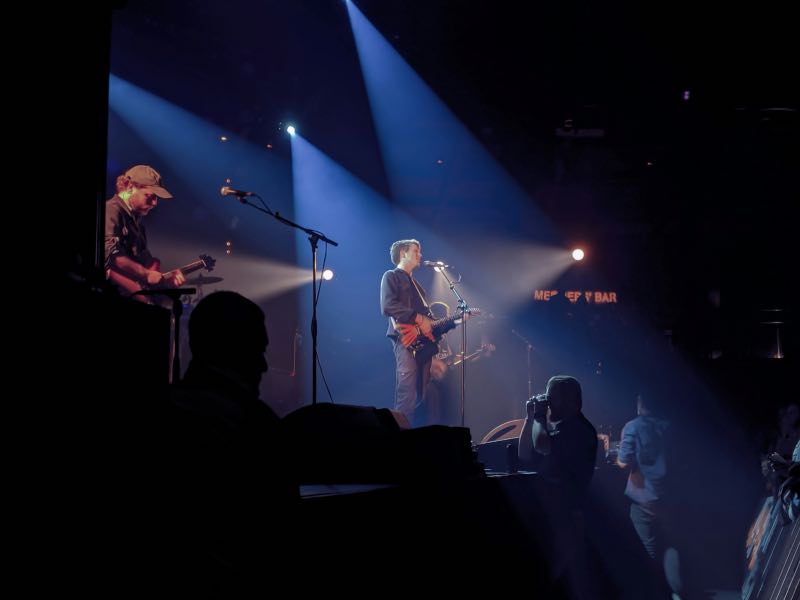
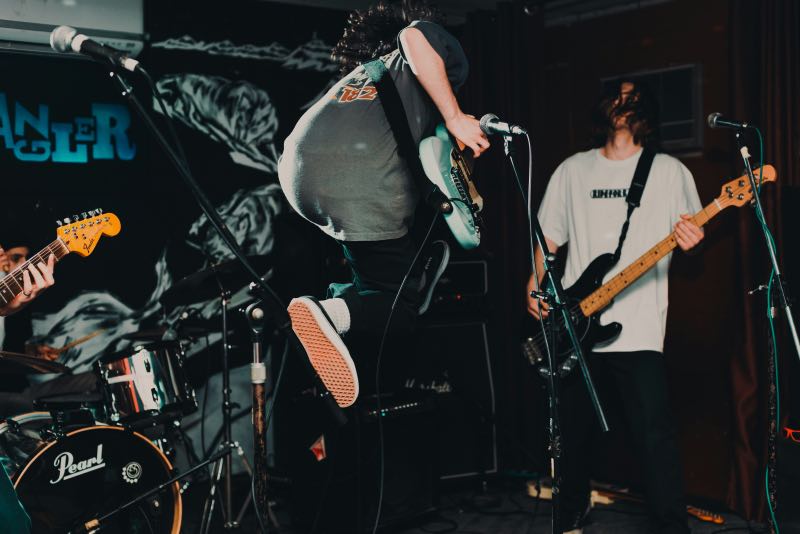
The promoter is making a commercial call. They want to know your style and genre — does this fit their night? What level have you played at — have you done rooms like theirs before? And whether you bring people with you — are you just filling a slot, or will you actually move tickets?
The musician reaching out about a project wants to know roughly the same things, but for different reasons. Style and genre tells them whether you're going to click musically. Level tells them whether you're serious and active, actually out there doing it rather than just talking about it. And whether you have an audience tells them something about your work ethic and how far along you are. Same information, different questions.
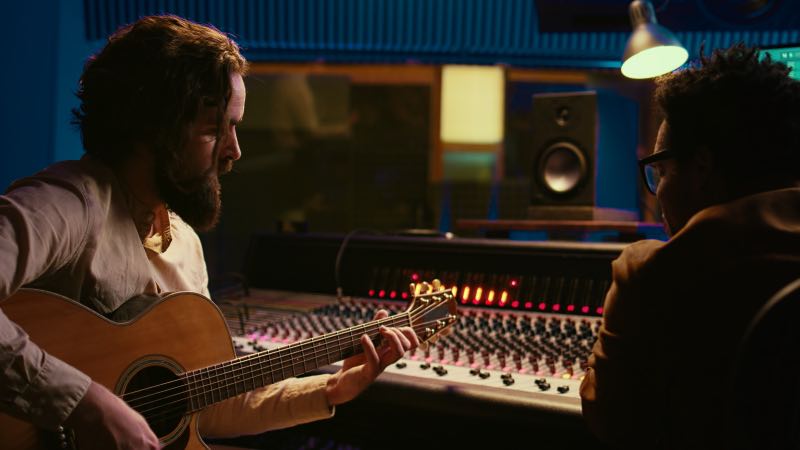
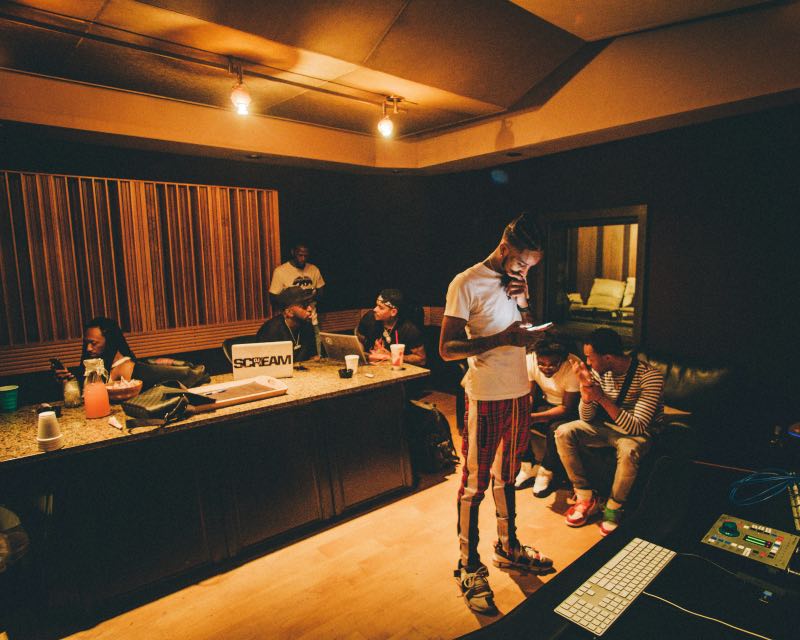
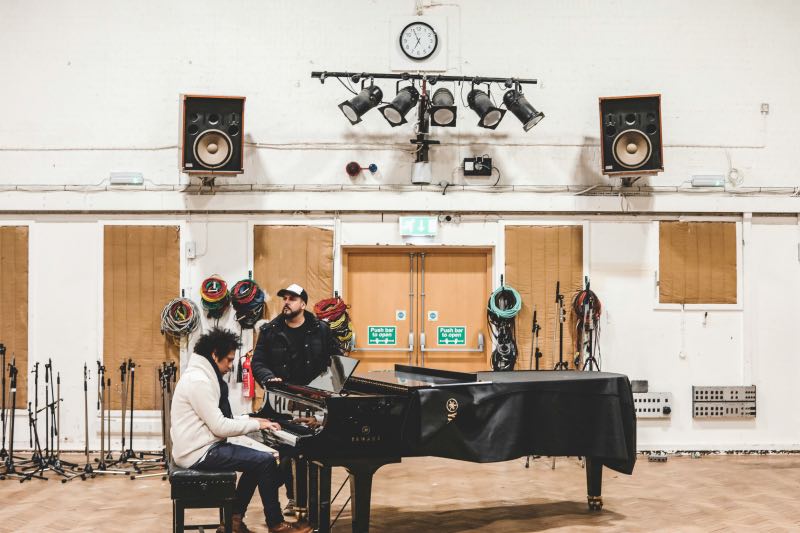
The producer bringing you in for a session is casting. They want to know your instrument, your style, and what kind of rooms you've recorded in. That's the whole picture for them. Everything else in your bio is noise.
Most bios describe rather than answer. They list credits, mention where you're based, give some context — and leave every reader to piece together whether you're relevant to them or not. Usually they don't bother.
Credits list what you've done. The person reading is deciding about right now — whether to book you, bring you in, reach out about a project.
The thing most bios never include is what you're actually looking for at this moment. Not a career statement. Just one honest, specific sentence: what do you want next?
Are you trying to get on the dep circuit for a particular kind of session? Looking for a co-writer for a specific type of project? Actively seeking support slots at a certain type of venue? Building toward a full band rather than solo work?
That sentence does more filtering work than everything else in the bio combined. The right people recognise themselves in it and reach out. The wrong people move on. Both outcomes save everyone's time.
A bio usually gets written at a significant moment — a release, a label meeting, something worth marking. Then it gets forgotten. Six months later you're still sending people a version of yourself that no longer applies. The project's finished, the priorities have shifted, but the bio hasn't moved.
You probably don't need a single bio at all. A couple of short versions, each written for a specific reader and updated when your situation changes.
One for promoters and venues: style, level, and whether you bring a crowd. One for other musicians and collaborators: what you're making now, what you're after. One for producers and session work: instrument, style, what you've recorded and where.
None of them need to be long. A paragraph each, honest and current, will do more than any carefully crafted single version trying to cover everything.
Most of the work is knowing who you're sending it to.