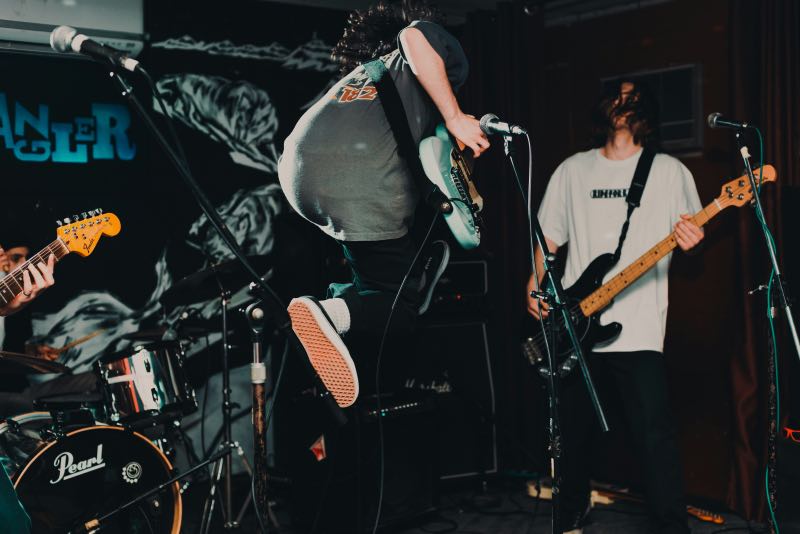

Every time you play a gig at a licensed venue, that venue is paying for the right to have live music on its premises, and PRS collects that money. What happens after that depends entirely on whether you're registered and whether you've told PRS the music was played.
Most musicians know PRS exists. Fewer know what it actually covers, and fewer still know about the other half of the picture.
There are two separate copyrights in every song. The first is the composition, the music and the words, the thing you wrote. The second is the recording, the actual audio, the performance captured on the master. These are legally distinct, and each one generates separate income when the music is used.
PRS covers the composition side. When your song is performed live, played on the radio, streamed, or used in a TV programme, PRS collects for the person who wrote it. MCPS, which operates alongside PRS, covers the mechanical side: when your music is reproduced as physical releases, downloads, and through the mechanical element of streaming.
PPL covers the recording side. When the actual recording of your song is broadcast on radio, played in a shop, or streamed on a non-interactive platform, PPL collects for the performers on the recording and whoever owns the master rights.
If you're a songwriter who also performs and records your own music, all three apply to you, and you need to be registered with all of them to collect all of it.
Three things trigger royalty income in practice.
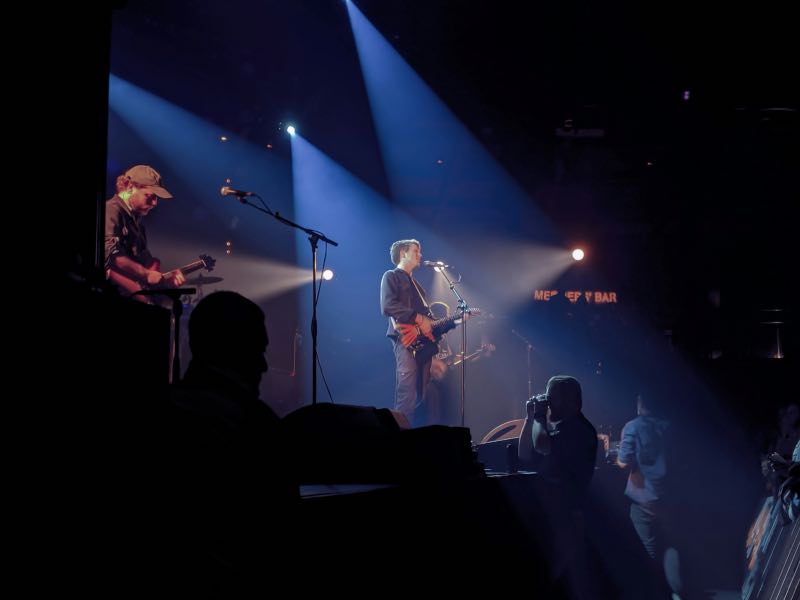
When you play a gig, PRS is collecting from the venue, but for that money to reach you, you need to be a PRS member and you need to report the performance. PRS has a live reporting service specifically for this. If you don't report your setlists, the money doesn't sit waiting. It gets distributed to members who have reported theirs, so it goes somewhere, just not to you.
When your music is broadcast on radio, TV or in a podcast, both PRS and PPL are collecting, PRS for the composition and PPL for the recording. The amounts vary significantly by platform and audience size, but the mechanism is the same whether it's a national station or a local one, and your music doesn't have to be charting for it to matter.
When your music is streamed on Spotify or Apple Music, PRS/MCPS are involved on the composition side. The recording side comes through your distributor or label, or whoever controls the master rights. PPL matters for the recording when it's broadcast, played in public, or used in certain non-interactive online services like internet radio, not on-demand streaming platforms.
PRS membership costs £100 as a one-time fee. MCPS is a separate £100. PPL registration is free. If you're under 25, PRS drops to £30, so worth knowing before you pay the full rate.
The honest answer to whether it's worth it depends on how your music is actually being used. PRS has a calculator buried inside its application process to help you estimate potential earnings, though in practice it's not easy to get to: it appears several pages in and asks for your email before you can complete it, which puts a lot of people off. The cleaner approach is to think through your own situation: how often are you gigging at licensed venues, is your music on streaming platforms, has it had any radio play? If the answer to most of those is yes and you're doing it consistently, the membership fee pays for itself relatively quickly. If you're just starting out and the numbers are genuinely small, it's still worth joining before the uses start building up, because older uses aren't always collectable and live performance claims have deadlines.
Joining alone doesn't make money flow automatically. You need to register your works, every song, with the correct splits if there are co-writers. If your songs aren't in the system, PRS can't identify your music when it's played and has nowhere to send the money.
The part that tends to get left undone is the ongoing one. Set lists from gigs go unreported, new songs get written but never registered, and co-writer splits get agreed verbally and never formalised in the system.
The system works on its own schedule: PRS has four main distributions a year, with online streaming royalties now paid monthly, and MCPS pays monthly. None of it arrives just because you played or released something. It arrives because you registered the work, reported the usage, and are in the system to receive it.
The way to get the most out of it is the same as most things in the music business: understand how it works first, then build the habit of doing the small admin each time something happens, a new release, a gig, a broadcast. It's not complicated once you know what the system is, but most musicians only find out after money has already moved past them.